
YOUR PATIENT GUIDE
Ambulatory blood pressure monitoring
Understanding your 24-hour blood pressure test
What is ABPM?
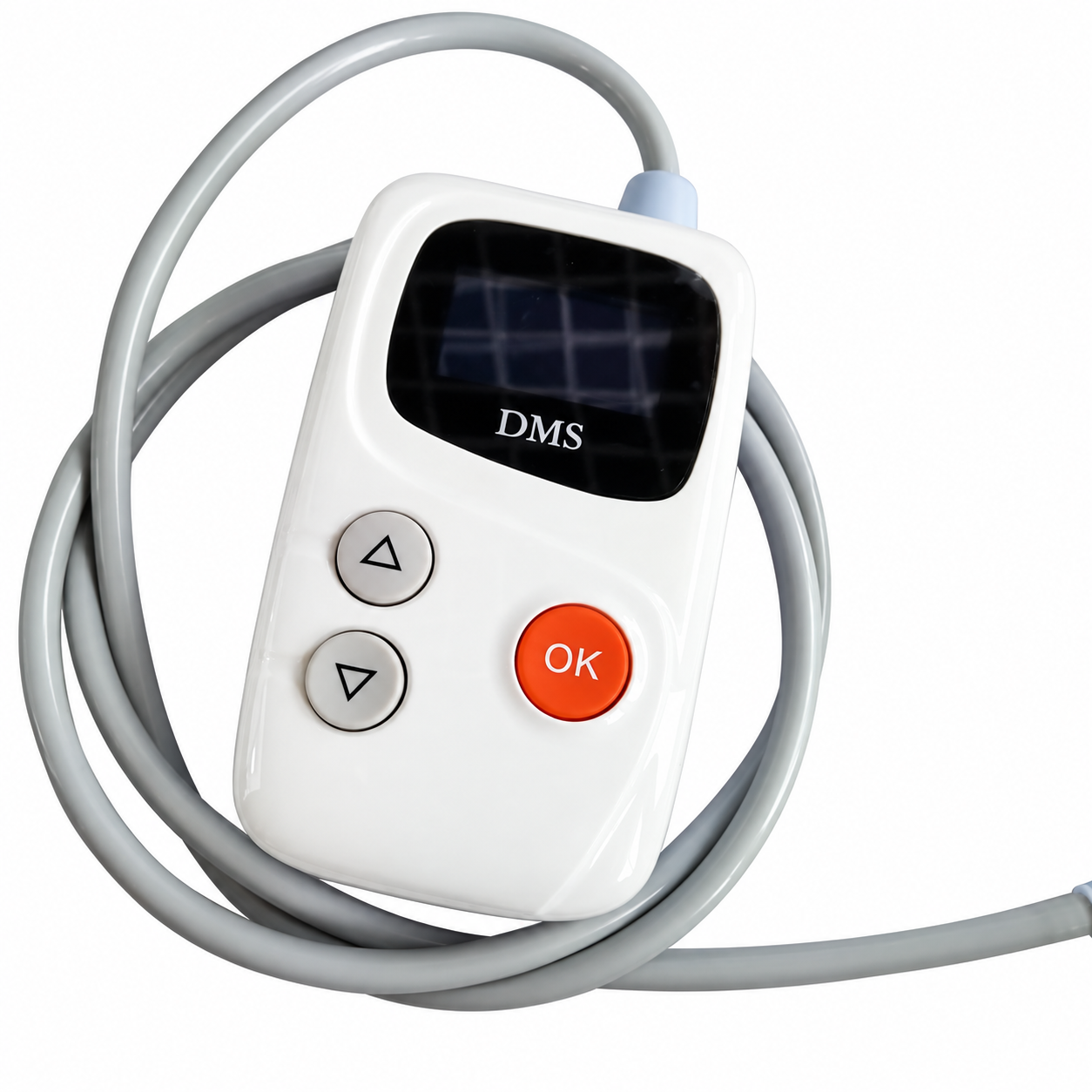
Ambulatory blood pressure monitoring (ABPM) measures your blood pressure repeatedly during everyday activities and sleep, usually over 24 hours. A cuff around your upper arm connects by a tube to a small recorder. The cuff inflates automatically at intervals set by your clinic.
Why has my doctor requested it?
Blood pressure changes through the day. This test gives your doctor a broader picture than a single clinic reading. It can help assess suspected high blood pressure, differences between clinic and everyday readings, night-time blood pressure and how well treatment is working.
Before your appointment
Shower beforehand, as the equipment must stay dry during the test. Wear a loose sleeve that allows access to your upper arm. Bring a list of medicines and take them as prescribed unless your doctor advises otherwise. Tell staff about a dialysis fistula, lymphoedema or previous lymph node surgery so they can select the appropriate arm.
When the cuff inflates
If safe, pause what you are doing, stop talking and keep your arm and fingers relaxed and still, following the position demonstrated by your clinic. A brief tight squeeze is normal. Movement can cause a failed reading and the monitor may try again. Contact the clinic if repeated errors occur.
During the day and overnight
Keep the cuff, tube and recorder in place as instructed. Do not shower, bathe or swim. Avoid pulling or kinking the tube and activities that could damage the equipment. Readings may disturb sleep. Record symptoms, activity, medicine times, bedtime and waking time in your diary. Ask your clinic about driving or work tasks that require continuous arm movement.
Comfort, return and results
Contact your clinic promptly for persistent pain, numbness, swelling or skin problems; do not ignore these symptoms. Return the recorder and diary at the agreed time. Your referring doctor will receive the report and discuss the findings with you. Do not change your medication based on individual readings.
When to get urgent help
This is a recording test, not an emergency alert service. For severe or persistent chest pain, severe shortness of breath or collapse, call Triple Zero (000). Do not wait for the recording to be reviewed.
Questions about your test?
Appointments, fitting and return arrangements: contact your referring clinic. Cardiotest does not book patient appointments. General enquiries: 0415 610 163 | mario@cardiotest.co.
General information sources: Royal Free London: 24-hour blood pressure monitoring · Gloucestershire Hospitals: blood pressure monitoring
Updated 16 September 2026.